
Can you tile over existing tiles? Yes, it is technically possible in some situations. However, at Gun Tiling, we generally recommend removing old tiles before installing new ones, particularly when the condition of the surface underneath is uncertain.
Keeping the old tiles might seem like an easy way to save time and reduce disruption. But a new tiled finish still depends on the strength of everything beneath it. Covering an existing surface can leave problems in place and make them harder to address later.
If you are planning a tiling project in Perth, here is what to consider before deciding whether to tile over tiles or start with removal.
Is tiling over existing tiles technically possible?
Tiling over existing tiles, sometimes called tile-on-tile installation, uses the old tiled surface as the base for a new layer. It can work when the existing installation is sound and the proposed preparation and adhesive system are suitable.
That requires more than tiles that look tidy. A professional assessment needs to consider their bond to the base, signs of movement, the condition of the supporting surface and whether the extra thickness and weight are appropriate for the area.
A suitable installation method also needs to follow the relevant product manufacturer’s instructions. An adhesive designed for one surface or application should not be assumed suitable for another.
Why we generally recommend removing old tiles
Our preference is to establish a sound base before installing a new finish. Removing existing tiles gives us better access to inspect the substrate, meaning the surface that supports the tiling, identify any latent defects and determine the preparation needed.
With tile-on-tile installation, the new work continues to rely on the original installation. If the old tiles lose their bond, the new layer can be affected too. A strong adhesive on top cannot repair a weak bond underneath.
There are practical considerations as well. Adding tiles and adhesive changes the finished floor height. Door clearances, adjoining floors, thresholds and access to appliances all need checking. On walls, extra thickness can affect fittings and finished edges, while the supporting surface must be suitable for the additional load.
Removal takes additional work upfront, but it allows those details to be considered as part of the full renovation rather than worked around afterwards.
Hidden issues beneath existing tiles
An older tiled surface can conceal latent defects—hidden issues that may not be apparent during a surface inspection. These may include loose sections, cracks in the substrate, previous repairs or moisture damage.
Cracked grout, lifting tiles and hollow sounds when tiles are checked can signal that further investigation is needed. A surface check helps identify concerns, but it does not establish the condition of every concealed layer.
In bathrooms and showers, the waterproofing deserves particular attention. A new layer of tiles does not fix a leaking waterproofing system. If there are signs of water damage or uncertainty about the existing system, the cause needs to be investigated before new tiling begins.
Learn more about our waterproofing services
Proper surface preparation still matters
Tiling over tiles does not eliminate preparation. Existing surfaces can carry grease, soap residue, sealers or coatings that interfere with adhesion. Glazed and other smooth tiles also need a preparation method suited to the chosen installation system.
Depending on the surface and products, preparation may involve thorough cleaning, mechanical abrasion, priming or levelling. The manufacturer’s instructions determine the required approach. Applying a bonding primer alone is not a remedy for loose tiles or a damaged base.
When tiles are removed, preparation remains just as important. Adhesive residue, uneven areas and substrate damage need to be assessed and addressed before installation. Removing tiles creates access to the base; preparing that base correctly is what makes it suitable for new work.
Read how a professional tiling project works
When tile removal is the better option
We generally recommend tile removal when:
- Existing tiles are loose, lifting or showing signs of failure.
- Cracks or movement need investigation.
- There are leaks, moisture damage or concerns about waterproofing.
- Floor levels, drainage falls or transitions need correcting.
- The additional height or weight would create problems.
- The renovation involves changes to plumbing, fixtures or the room layout.
For a full bathroom renovation or a substantial flooring update, removal often provides a more practical starting point. It allows the preparation, waterproofing where required and finished levels to be planned around the new installation.
Explore our tile removal services in Perth
Long term durability and performance
A quality tiling job should perform well through everyday use. That depends on the supporting surface, appropriate materials, correct installation and provision for movement, as well as the visible finish.
A properly assessed tile-on-tile system can perform successfully in suitable conditions. Our concern is the uncertainty that comes with retaining an older installation, particularly when its condition or history is unclear.
At Gun Tiling, we focus on preparation and workmanship that support a lasting result. We would rather explain the work a project needs at the start than leave an underlying issue to affect your new tiles later.
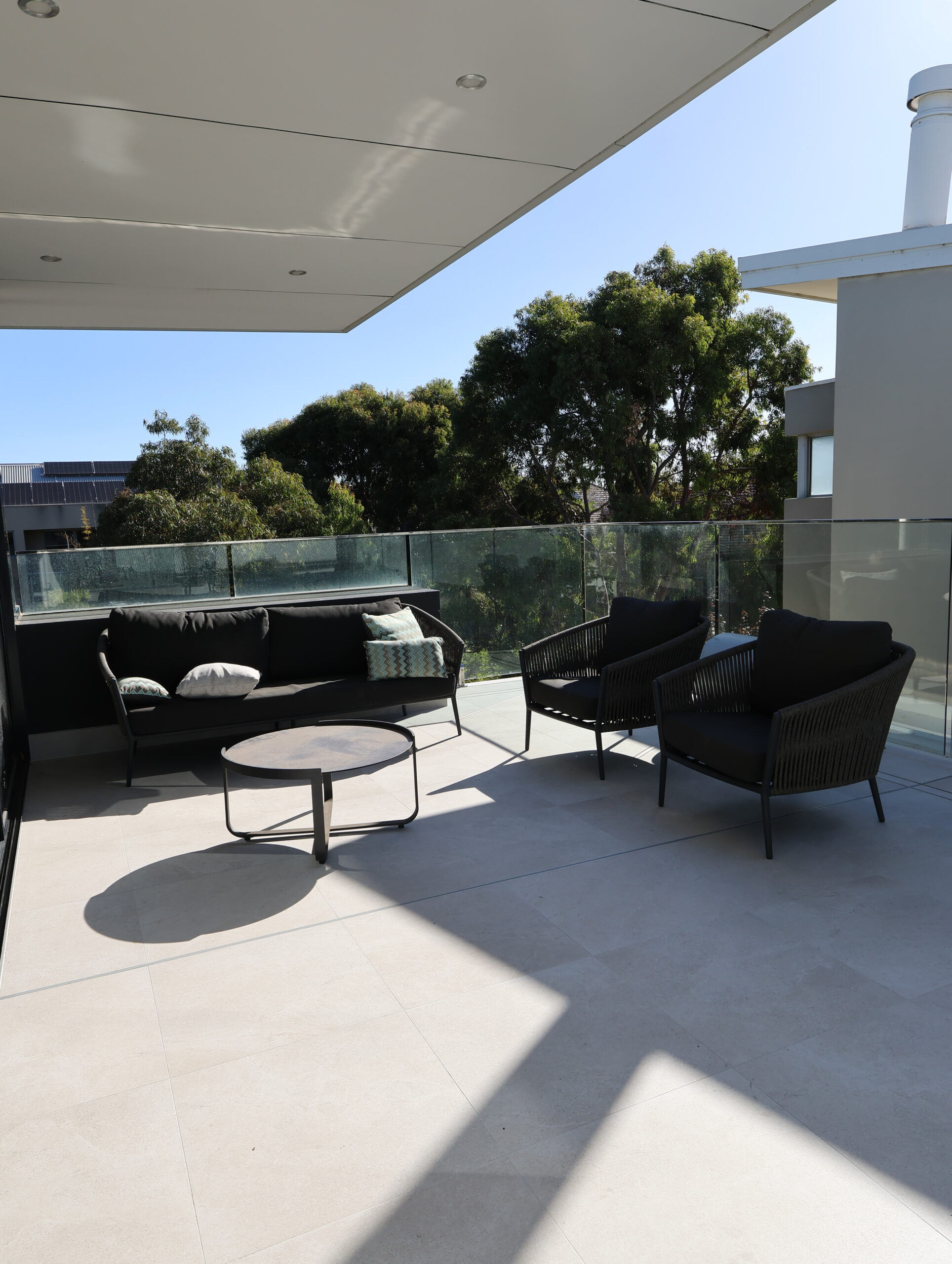
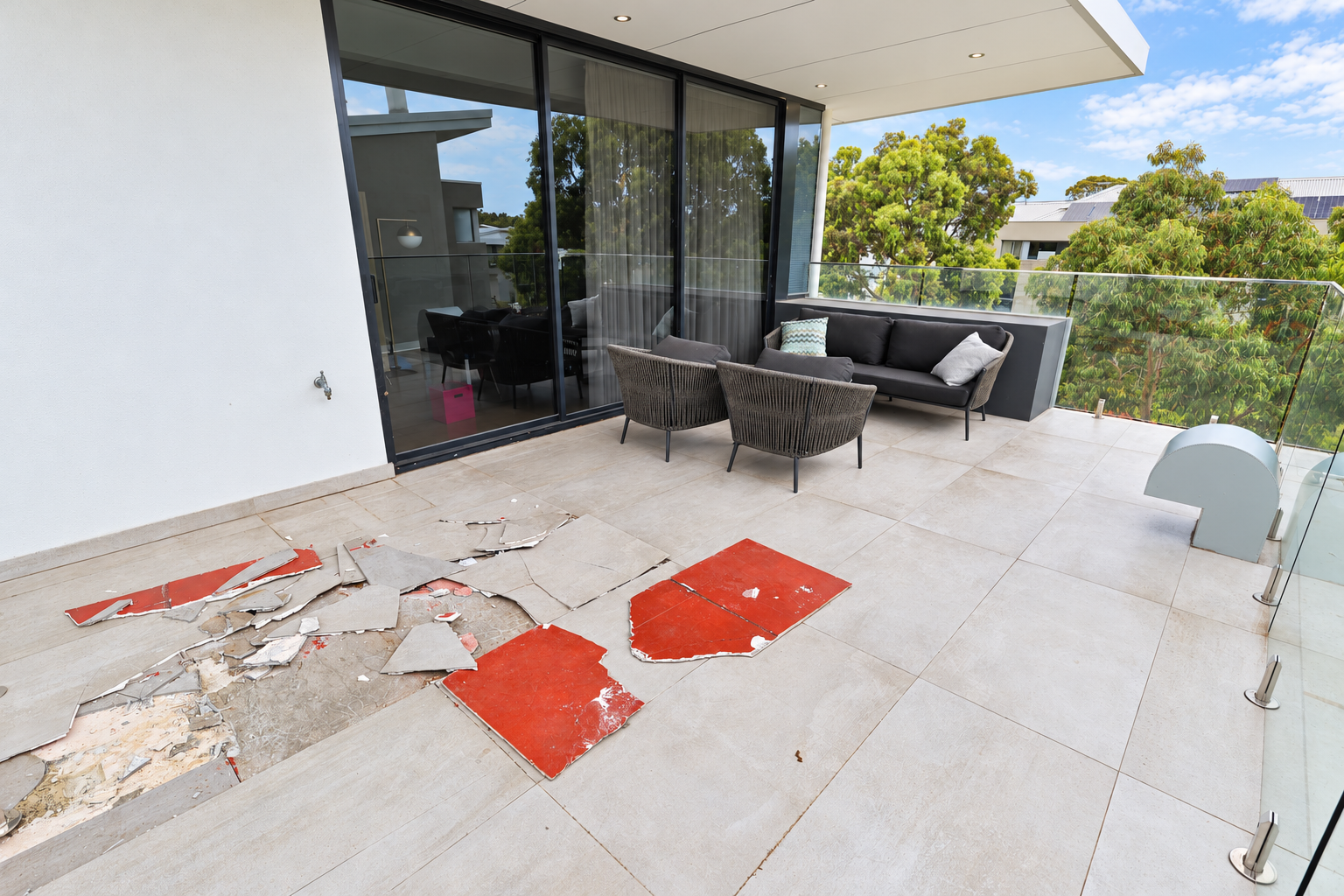
Drag the divider to compare before and after. Photos taken from different angles.
Take a look at the before and after of this balcony project, where latent defects called for a complete rework. Gun Tiling removed all existing tiles and rebuilt the installation with correct waterproofing, drainage falls and new tiles.
Frequently asked questions
Do I need to remove old tiles before retiling?
Not in every case, but removal is often the better option when the existing installation is damaged, poorly bonded or unsuitable for the new work. A professional assessment should determine the approach before installation begins.
Can you tile over existing tiles in a bathroom?
It may be possible in suitable conditions, but waterproofing, drainage and finished levels need careful assessment. Tiling over a bathroom surface should never be used to cover a leak or avoid investigating water damage.
Is it cheaper to tile over tiles?
It can reduce removal and disposal costs upfront. However, cleaning, preparation, suitable installation products and adjustments to levels or fittings may still be needed. Compare the complete scope of work before deciding which option offers better value.
Can you tile over cracked or loose tiles?
Cracked or loose tiles need investigation and appropriate remedial work. Installing another layer over them leaves the cause unresolved and can put the new finish at risk.
Does tiling over existing tiles fix waterproofing?
No. New tiles do not repair an underlying waterproofing failure. The source of a leak needs to be identified and an appropriate repair or replacement system planned.
How long will tiles laid over tiles last?
There is no reliable lifespan that applies to every installation. Performance depends on the original base, preparation, installation system and conditions of use. The suitability of the existing surface matters more than a general estimate of years.
Get the right advice before you retile
If you are weighing up whether to tile over tiles or remove them, Gun Tiling can assess your project and explain the preparation required. We provide professional wall and floor tiling, tile removal and waterproofing services across Perth, with careful attention to the work beneath the finished surface.
Contact Gun Tiling to discuss your project and request a free quote.


